The realm of higher education has undergone a dramatic transformation in recent years, with the rise of online college courses becoming a defining trend. This shift has opened doors to new possibilities for learning, offering flexibility, accessibility, and a diverse range of educational opportunities to a wider audience than ever before.
This comprehensive guide delves into the history, types, and impact of online college courses, providing insights into the evolving landscape of education and its implications for the future.




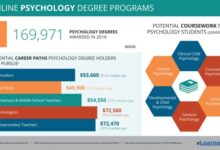

From the early days of correspondence courses to the sophisticated learning platforms of today, online college courses have steadily gained momentum, driven by technological advancements, changing student demographics, and a growing demand for flexible and affordable education. This exploration examines the key factors that have shaped this evolution, analyzing the advantages and disadvantages of online learning compared to traditional classroom settings.
Choosing the Right Online College Course
Choosing the right online college course can be a rewarding experience, leading to new skills, career advancement, or personal enrichment. It’s essential to approach this decision strategically, considering your individual needs, goals, and learning style.
Factors to Consider When Choosing an Online College Course
The selection process involves evaluating various aspects of the course. These factors contribute to a positive and successful learning experience.
- Course Content and Relevance:Start by defining your learning objectives. What specific skills or knowledge do you aim to acquire? Research courses that align with your professional or personal goals. For instance, if you’re seeking career advancement in data analysis, courses in data science, statistics, or programming would be relevant.
- Instructor Qualifications and Experience:Evaluate the instructor’s credentials and teaching experience. Look for instructors with industry expertise, practical experience, and a proven track record of successful online teaching. Consider the instructor’s teaching style and how it aligns with your preferred learning approach.
- Learning Platform and Technology:The online learning platform plays a crucial role in your learning experience. Assess the platform’s user-friendliness, accessibility, and features. Consider factors such as video conferencing capabilities, discussion forums, and mobile compatibility. A robust platform with reliable technology ensures a seamless and efficient learning process.
- Student Support Services:Explore the availability of student support services. Look for institutions that offer technical assistance, academic advising, and tutoring services. These resources can be invaluable throughout your online learning journey, providing guidance and support when needed.
Decision Tree for Choosing an Online College Course
A decision tree can help you navigate the selection process. Start by defining your learning goals and preferences.
Step 1: Define your learning goals.
Step 2: Consider your learning style.
Step 3: Research course content and relevance.
Browse the multiple elements of Student loan forgiveness to gain a more broad understanding.
Step 4: Evaluate instructor qualifications and experience.
Step 5: Assess the learning platform and technology.
Step 6: Explore student support services.
Step 7: Compare and contrast courses based on your criteria.
Step 8: Choose the course that best aligns with your needs and goals.
The Learning Experience in Online College Courses

Online college courses offer a flexible and accessible way to pursue higher education. However, the learning experience in an online environment can differ significantly from traditional classroom settings. Understanding the common elements, structures, and effective strategies for online learning is crucial for students to succeed.
Structure and Elements of Online College Courses
Online college courses are typically structured around a series of modules or units, each covering a specific topic or learning objective. These modules often include a combination of:
- Lectures:Online lectures are delivered through various media, such as pre-recorded videos, audio recordings, or interactive presentations. These lectures provide foundational knowledge and introduce key concepts.
- Assignments:Assignments can take various forms, including written essays, research papers, problem sets, projects, and quizzes. These assignments help students apply their knowledge and demonstrate their understanding of the course material.
- Discussions:Online discussion forums or chat rooms provide a platform for students to interact with their peers and instructors. These discussions encourage active learning, critical thinking, and collaboration.
- Assessments:Online assessments can include quizzes, exams, projects, and presentations. These assessments evaluate students’ comprehension of the course content and their ability to apply the knowledge they have acquired.
The Role of Technology in Online Learning
Technology plays a crucial role in facilitating online learning by providing access to a wide range of resources and tools that enhance the learning experience. These technologies include:
- Video Conferencing:Video conferencing platforms allow students to participate in live lectures, engage in group discussions, and interact with their instructors in real-time. Examples include Zoom, Google Meet, and Microsoft Teams.
- Virtual Labs:Virtual labs provide students with simulated environments for conducting experiments and exploring scientific concepts without the need for physical equipment. These virtual labs are particularly beneficial for courses in science, technology, engineering, and mathematics (STEM).
- Online Collaboration Platforms:Online collaboration platforms allow students to work together on projects, share files, and communicate effectively. Examples include Google Docs, Microsoft Office 365, and Slack. These platforms foster collaboration and teamwork among students.
Effective Online Learning Strategies
Students can utilize a variety of strategies to maximize their learning outcomes in online college courses:
- Active Participation:Engaging in discussions, asking questions, and contributing to group projects are essential for active learning in an online environment.
- Time Management:Effective time management is crucial for online students. Creating a study schedule, setting realistic goals, and breaking down large tasks into smaller manageable chunks can help students stay on track.
- Effective Communication:Clear and timely communication with instructors and classmates is essential for success in online courses. Students should be proactive in reaching out for clarification or support when needed.
- Technology Proficiency:Familiarity with the technologies used in online courses is essential for students to navigate the learning environment effectively. This includes being comfortable with video conferencing, online collaboration platforms, and learning management systems.
The Future of Online College Courses
The realm of online education is continuously evolving, driven by technological advancements and shifting student expectations. This evolution is paving the way for a future where online college courses offer unparalleled flexibility, personalized learning experiences, and innovative approaches to knowledge acquisition.
Emerging Trends and Innovations
The future of online college courses is being shaped by several emerging trends and innovations that are transforming the learning landscape. These advancements are creating a more engaging, interactive, and personalized learning experience for students.
- Personalized Learning Paths:Personalized learning paths cater to individual student needs and learning styles. This approach utilizes adaptive learning platforms that analyze student performance and tailor the learning experience accordingly. By identifying strengths and weaknesses, these platforms provide personalized recommendations, resources, and learning materials.
This individualized approach allows students to progress at their own pace and focus on areas where they require additional support.
- Gamification:Gamification involves integrating game-like elements into online learning environments. This approach enhances engagement and motivation by incorporating rewards, challenges, and progress tracking. By making learning more interactive and fun, gamification can improve student retention, motivation, and overall learning outcomes.
For example, online courses can incorporate leaderboards, points systems, and badges to incentivize participation and achievement.
- Virtual Reality (VR):Virtual reality technology is creating immersive learning experiences that simulate real-world scenarios. VR allows students to interact with virtual environments, objects, and characters, providing a more engaging and realistic learning experience. For example, medical students can use VR to practice surgical procedures in a safe and controlled environment, while architecture students can explore virtual models of buildings.
Impact of Trends on the Future of Online College Courses
These emerging trends have a profound impact on the future of online college courses and the broader education landscape.
- Increased Accessibility and Flexibility:Personalized learning paths and the use of technology make online education more accessible to a wider range of learners, including those with disabilities or those who live in remote areas. The flexibility of online courses allows students to learn at their own pace and on their own schedule, making education more convenient and adaptable to individual circumstances.
- Enhanced Engagement and Motivation:Gamification and VR create a more engaging and interactive learning environment, leading to increased student motivation and improved learning outcomes. By incorporating game-like elements and immersive experiences, online courses can make learning more enjoyable and relevant to students’ interests.
- Transformative Learning Experiences:The combination of personalized learning paths, gamification, and VR creates transformative learning experiences that go beyond traditional methods of instruction. These innovative approaches encourage active participation, critical thinking, and problem-solving skills, preparing students for the challenges of the 21st century.
Timeline of Projected Evolution
The evolution of online college courses is expected to continue at a rapid pace in the coming years.
| Year | Key Developments |
|---|---|
| 2023-2025 | Increased adoption of personalized learning paths and adaptive learning platforms. Greater integration of gamification elements into online courses. Early adoption of VR technology in specific fields, such as healthcare and engineering. |
| 2026-2028 | Widespread adoption of VR and augmented reality (AR) in online learning environments. Development of immersive and interactive simulations for various disciplines. Increased use of artificial intelligence (AI) for personalized learning and automated feedback. |
| 2029-2031 | Emergence of hybrid learning models that combine online and in-person instruction. Greater emphasis on collaborative learning and social interaction within online courses. Development of virtual campuses and online communities for student engagement. |
Last Word
As technology continues to advance and the world becomes increasingly interconnected, the role of online college courses in shaping the future of education is undeniable. From personalized learning paths to immersive virtual reality experiences, the possibilities for innovative learning are boundless.
This guide has provided a comprehensive overview of the current landscape, highlighting the challenges and opportunities presented by online learning. By understanding the evolving nature of online college courses, individuals can navigate this dynamic landscape effectively, unlocking their full potential and embracing the transformative power of digital education.