The world of education is undergoing a dramatic transformation, with online education degrees rapidly gaining prominence. This shift is driven by a confluence of factors, including the increasing demand for flexible learning options, the accessibility of technology, and the evolving needs of the modern workforce.
From the comfort of your own home, you can now pursue a degree that aligns with your career aspirations and personal goals. The online learning landscape is diverse and dynamic, offering a myriad of programs across various disciplines, each catering to unique learning styles and ambitions.



This comprehensive guide will explore the fascinating world of online education degrees, delving into their history, types, benefits, and challenges. We’ll examine the technology that powers these programs, discuss the importance of accreditation, and explore the career opportunities that await graduates.
Whether you’re a seasoned professional seeking career advancement or a recent graduate looking to enhance your skills, this guide will equip you with the knowledge and insights you need to navigate the world of online education.
The Rise of Online Education
The realm of education has witnessed a profound transformation, with online learning emerging as a dominant force. This shift is driven by a confluence of factors, reshaping the landscape of knowledge acquisition and accessibility.
The increasing popularity of online education degrees is a testament to its adaptability and appeal. Factors such as flexibility, affordability, and accessibility have propelled online learning to the forefront.
The Evolution of Online Learning Platforms and Technologies
The evolution of online learning platforms and technologies has played a pivotal role in the rise of online education.
The early days of online learning were characterized by rudimentary platforms, often limited to text-based materials and email communication. The advent of the internet and broadband connectivity paved the way for more sophisticated learning management systems (LMS), enabling interactive learning experiences, multimedia content, and collaborative tools.
- Early online learning platforms, like PLATO (Programmed Logic for Automatic Teaching Operations), emerged in the 1960s, offering interactive computer-based instruction.
- The 1990s saw the rise of the World Wide Web, facilitating the development of more sophisticated online learning platforms, such as WebCT and Blackboard.
- Today, a diverse array of online learning platforms cater to various needs, from massive open online courses (MOOCs) to specialized platforms for specific industries or disciplines.
The Impact of Online Education on Traditional Brick-and-Mortar Institutions
The rise of online education has had a significant impact on traditional brick-and-mortar institutions.
While some institutions have embraced online learning, integrating it into their existing programs, others have faced challenges adapting to the changing landscape.
- Online education has increased competition for traditional institutions, as students have more options for pursuing their educational goals.
- The accessibility and flexibility of online learning have attracted students who may not have been able to attend traditional institutions due to geographical constraints or work schedules.
- Traditional institutions have responded to the rise of online education by developing their own online programs, offering blended learning models that combine online and in-person instruction, and adopting new technologies to enhance the learning experience.
Types of Online Education Degrees
Online education has revolutionized the way people learn and earn degrees, offering a wide range of options for students of all backgrounds and interests. From associate’s to doctorate degrees, online programs provide flexible and accessible pathways to academic and professional advancement.
Types of Online Degrees
Online degrees are offered at various levels, each catering to specific academic and career goals. The most common types of online degrees include:
| Degree Level | Fields of Study |
|---|---|
| Associate’s Degree | Business Administration, Nursing, Information Technology, Early Childhood Education, Criminal Justice |
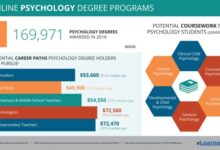
| Bachelor’s Degree | Business Administration, Nursing, Education, Psychology, Computer Science, Communication, Criminal Justice, Public Health, Social Work, Political Science |
| Master’s Degree | Business Administration (MBA), Education, Nursing, Engineering, Law, Public Health, Social Work, Counseling, Psychology, Public Administration |
| Doctorate Degree | Education (EdD), Philosophy (PhD), Law (JD), Business Administration (DBA), Nursing (DNP), Psychology (PsyD) |
Benefits and Drawbacks of Pursuing Different Types of Online Degrees
The decision to pursue an online degree involves weighing the benefits and drawbacks of each degree level.
Associate’s Degrees
Associate’s degrees are typically two-year programs that provide a foundation in a specific field.
- Benefits: Associate’s degrees are relatively affordable and can be completed in a shorter time frame. They can lead to entry-level positions in various fields or serve as a stepping stone to a bachelor’s degree.
- Drawbacks: Associate’s degrees may not be as widely accepted as bachelor’s degrees, and they may not offer the same level of specialization or career advancement opportunities.
Bachelor’s Degrees
Bachelor’s degrees are four-year programs that provide a more comprehensive understanding of a chosen field.
- Benefits: Bachelor’s degrees are highly valued in the job market and can open doors to a wider range of career opportunities. They also provide a strong foundation for graduate studies.
- Drawbacks: Bachelor’s degrees require a significant time commitment and can be more expensive than associate’s degrees. They may also require more demanding coursework and a higher level of academic rigor.
Master’s Degrees
Master’s degrees are typically two-year programs that build upon the knowledge and skills acquired at the bachelor’s level.
- Benefits: Master’s degrees can enhance career prospects, increase earning potential, and open doors to leadership roles. They can also provide specialized knowledge and skills for specific industries.
- Drawbacks: Master’s degrees require a significant investment of time and money. They also demand a high level of commitment and dedication.
Doctorate Degrees
Doctorate degrees are the highest level of academic achievement and typically require three to seven years of study beyond a bachelor’s degree.
- Benefits: Doctorate degrees qualify individuals for advanced research, teaching, and leadership positions in academia, government, and industry. They demonstrate a deep understanding of a specific field and the ability to contribute original research.
- Drawbacks: Doctorate degrees are highly demanding and require a significant commitment of time and resources. They may not be suitable for everyone, and the job market for doctorate holders can be competitive.
Skills and Knowledge Gained from Pursuing an Online Degree in a Particular Field
Online degrees provide a flexible and accessible way to acquire specialized skills and knowledge in various fields.
Business Administration
An online degree in Business Administration can equip students with the skills and knowledge necessary to succeed in the business world. This includes:
- Financial Management: Understanding financial statements, budgeting, and investment analysis.
- Marketing: Developing marketing strategies, conducting market research, and managing brand identity.
- Operations Management: Optimizing business processes, managing supply chains, and improving efficiency.
- Leadership and Communication: Effective communication, team building, and strategic decision-making.
Nursing
An online nursing degree can prepare students for a rewarding career in healthcare. This includes:
- Clinical Skills: Providing patient care, administering medications, and monitoring vital signs.
- Health Assessment: Identifying health problems, collecting patient data, and interpreting medical tests.
- Nursing Informatics: Using technology to manage patient records, track health outcomes, and improve care delivery.
- Ethics and Legal Issues: Understanding ethical principles, legal regulations, and patient rights.
Education
An online education degree can equip students with the knowledge and skills to become effective educators. This includes:
- Curriculum Development: Designing engaging and effective lesson plans and assessments.
- Teaching Methods: Implementing various teaching strategies and adapting instruction to different learning styles.
- Classroom Management: Creating a positive and productive learning environment.
- Educational Psychology: Understanding child development, learning theories, and educational research.
Benefits of Online Education
The rise of online education has brought about a revolution in the way people learn and acquire knowledge. It has opened up new avenues for individuals to pursue their educational goals, offering a wide range of benefits that traditional brick-and-mortar institutions often lack.
From flexibility and affordability to accessibility and career advancement, online education has become a transformative force in the educational landscape.
Flexibility and Convenience
Online education provides unparalleled flexibility, allowing learners to study at their own pace and on their own schedule. This is particularly beneficial for individuals who have busy schedules, family commitments, or geographical constraints. Students can access course materials and participate in online discussions from anywhere with an internet connection, eliminating the need for physical attendance.
Examine how Private student loans can boost performance in your area.
This flexibility allows individuals to balance their studies with work, family, and other responsibilities, making education accessible to a wider range of people.
Affordability and Cost-Effectiveness
Online education can often be more affordable than traditional programs. Online institutions typically have lower overhead costs, which can translate into lower tuition fees for students. Additionally, online programs may eliminate the need for costly expenses associated with traditional education, such as commuting, housing, and textbooks.
Accessibility and Inclusivity
Online education breaks down geographical barriers, making education accessible to individuals who might not otherwise have the opportunity to pursue higher education. Students from remote areas, those with disabilities, or those who are unable to attend traditional classes due to personal circumstances can all benefit from the accessibility of online programs.
Career Advancement and Earning Potential
An online degree can significantly enhance career prospects and earning potential. Employers increasingly recognize the value of online education, and many seek candidates with the skills and knowledge acquired through online programs. Online programs often offer specialized courses and certifications that are highly sought after in the job market, giving graduates a competitive edge in their chosen field.
Examples of Success
The impact of online education is evident in the success stories of countless individuals who have achieved their career goals through online programs. For example, a single mother with a full-time job earned her bachelor’s degree in business administration online, enabling her to secure a promotion and increase her earning potential.
Another individual with a physical disability completed a master’s degree in computer science online, opening doors to a rewarding career in the tech industry. These examples demonstrate the transformative power of online education and its ability to empower individuals to achieve their full potential.
Choosing the Right Online Program

Navigating the vast landscape of online degree programs can feel overwhelming. With countless options available, it’s crucial to approach your decision with a thoughtful and strategic mindset. This section will guide you through the key considerations and steps involved in selecting the right online program for your individual needs and goals.
Factors to Consider When Choosing an Online Program
Making an informed decision requires evaluating various factors. Here’s a checklist to guide your assessment:
- Accreditation: Ensure the institution offering the program is accredited by a recognized regional or national accrediting agency. Accreditation signifies that the program meets specific quality standards and ensures your degree will be accepted by employers and other educational institutions.
- Reputation: Research the institution’s reputation by reading reviews, consulting rankings, and contacting alumni. Look for programs with a strong track record of student success and positive feedback from graduates.
- Curriculum: Examine the program’s curriculum to ensure it aligns with your career goals and interests. Consider the course structure, required coursework, and the program’s overall focus.
- Faculty: Inquire about the qualifications and experience of the program’s faculty. Look for instructors with relevant industry experience and strong academic credentials.
- Technology and Support: Assess the institution’s online learning platform, technical support services, and student resources. Ensure the platform is user-friendly and provides adequate technical assistance.
- Cost and Financial Aid: Compare tuition fees, program costs, and available financial aid options. Consider the program’s overall value and the potential return on your investment.
- Flexibility and Convenience: Evaluate the program’s flexibility in terms of course scheduling, delivery methods, and learning pace. Consider the program’s compatibility with your work schedule and other commitments.
- Career Outcomes: Research the program’s track record in terms of career placement and alumni success. Explore the program’s career services, internship opportunities, and connections to relevant industries.
Researching and Evaluating Online Degree Programs
A systematic approach to researching and evaluating online degree programs will help you narrow down your options and identify the best fit:
- Identify Your Goals: Define your career aspirations and educational objectives. Determine the specific degree or certificate you need to achieve your goals.
- Explore Program Options: Use online directories, search engines, and professional organizations to identify potential programs that align with your goals.
- Compare Program Details: Gather information on each program’s curriculum, faculty, accreditation, reputation, cost, and flexibility. Create a spreadsheet or chart to compare key factors.
- Contact Admissions Counselors: Reach out to admissions counselors for each program to ask questions about the program’s details, student support services, and career outcomes.
- Review Course Materials: Request sample course syllabi, readings, or assignments to gain a better understanding of the program’s academic rigor and teaching style.
- Connect with Current Students or Alumni: Reach out to current students or alumni to gather insights into their experiences and the program’s value.
Communicating with Admissions Counselors and Program Coordinators
Effective communication is key to gaining valuable information and making informed decisions. When interacting with admissions counselors or program coordinators, consider these tips:
- Prepare Your Questions: Create a list of specific questions about the program’s curriculum, faculty, technology, support services, and career outcomes.
- Be Clear and Concise: Express your questions and concerns in a clear and concise manner. Avoid using jargon or technical terms that the counselor may not understand.
- Listen Attentively: Pay close attention to the counselor’s responses and ask clarifying questions to ensure you fully understand the information provided.
- Follow Up Promptly: If you have any follow-up questions or need additional information, contact the counselor promptly.
Challenges of Online Learning
While online education offers numerous advantages, it also presents unique challenges that require students to adapt and develop specific skills for success. Understanding these challenges and adopting effective strategies is crucial for maximizing the learning experience and achieving academic goals.
Time Management
Effective time management is paramount in online learning. Without the structured schedule of traditional classrooms, students are responsible for setting their own pace and allocating sufficient time for coursework, assignments, and exams.
- Create a Dedicated Study Space:Designate a specific area in your home or workspace for studying. This helps establish a routine and minimize distractions.
- Develop a Study Schedule:Plan specific times for online coursework, factoring in deadlines, assignments, and exams. Stick to your schedule as closely as possible.
- Use Time Management Tools:Utilize calendars, task managers, or online tools to track deadlines, schedule tasks, and stay organized.
Self-Discipline
Online learning demands a high level of self-discipline, as students are responsible for their own motivation, focus, and progress.
- Set Realistic Goals:Break down large tasks into smaller, manageable steps. This makes learning feel less overwhelming and provides a sense of accomplishment.
- Avoid Procrastination:Engage in coursework as soon as possible after it is assigned. This prevents the accumulation of work and helps maintain momentum.
- Stay Connected with Instructors and Peers:Actively participate in online discussions, forums, and group projects to stay engaged and accountable.
Lack of Face-to-Face Interaction
The absence of in-person interaction can create a sense of isolation and hinder student engagement.
- Utilize Online Communication Tools:Participate in online discussions, forums, and video conferencing to connect with instructors and classmates.
- Join Study Groups:Form or join online study groups to collaborate with peers, share ideas, and support each other.
- Attend Virtual Office Hours:Take advantage of online office hours offered by instructors to ask questions and seek clarification.
Technical Issues
Technical difficulties can disrupt the flow of learning and cause frustration.
- Ensure Reliable Internet Access:Invest in a stable and reliable internet connection to avoid disruptions during online classes and assignments.
- Familiarize Yourself with Online Learning Platforms:Understand the features and functionalities of the learning management system (LMS) used by your institution.
- Seek Technical Support:Contact your institution’s IT support department if you encounter technical problems.
Technology and Online Learning
Online education relies heavily on technology to deliver and facilitate the learning process. From interactive platforms to communication tools, technology plays a pivotal role in shaping the modern learning landscape.
Learning Management Systems (LMS)
Learning Management Systems (LMS) are the backbone of online education. They provide a centralized platform for managing courses, delivering content, tracking student progress, and facilitating communication between students and instructors. Examples of popular LMS platforms include Moodle, Canvas, and Blackboard.
- Course Content Delivery:LMS platforms allow instructors to upload and organize various learning materials, such as lecture notes, videos, assignments, and quizzes. Students can access these resources anytime and anywhere, fostering flexibility and self-paced learning.
- Interactive Learning Activities:Many LMS platforms incorporate interactive elements like forums, discussion boards, and collaborative projects. These features encourage student engagement, promote peer-to-peer learning, and facilitate active participation in the learning process.
- Assessment and Feedback:LMS platforms provide tools for creating and administering assessments, such as quizzes, exams, and assignments. They also offer automated grading capabilities and allow instructors to provide personalized feedback to students.
- Communication and Collaboration:LMS platforms facilitate communication between students and instructors through email, instant messaging, and video conferencing. They also provide tools for creating and managing online groups, promoting collaboration and teamwork among students.
Video Conferencing
Video conferencing tools, such as Zoom, Google Meet, and Microsoft Teams, have become integral to online education. They enable real-time interaction between students and instructors, fostering a sense of community and facilitating engaging discussions.
- Live Lectures and Presentations:Video conferencing allows instructors to deliver live lectures and presentations, replicating the traditional classroom experience. Students can participate in real-time by asking questions, sharing their perspectives, and engaging in discussions.
- Virtual Office Hours:Video conferencing enables instructors to hold virtual office hours, providing students with a platform to ask questions, seek clarification, and receive personalized support outside of scheduled sessions.
- Group Projects and Collaboration:Video conferencing facilitates group projects and collaborative activities, allowing students to work together on projects, share ideas, and brainstorm solutions in a virtual environment.
Online Assessment Tools
Online assessment tools have revolutionized the way instructors evaluate student learning. These tools provide a variety of features for creating, administering, and grading assessments, ensuring fairness and efficiency.
- Automated Grading:Many online assessment tools offer automated grading capabilities, which can significantly reduce the workload for instructors, especially for multiple-choice and short-answer questions. This allows instructors to spend more time providing personalized feedback to students.
- Adaptive Testing:Adaptive testing tools adjust the difficulty level of questions based on a student’s performance. This personalized approach ensures that students are challenged at an appropriate level, maximizing their learning potential.
- Plagiarism Detection:Online assessment tools often incorporate plagiarism detection software, which helps instructors identify instances of academic dishonesty and maintain the integrity of the learning process.
Accreditation and Recognition
Accreditation plays a crucial role in ensuring the quality and legitimacy of online education programs. It acts as a stamp of approval from independent bodies, signifying that a program meets certain standards of academic rigor and quality. This assurance is vital for both students and employers, as it helps them gauge the value and credibility of an online degree.
Verifying Accreditation Status
Verifying the accreditation status of an online degree program is essential before enrolling. This process involves several steps:
- Identify the accrediting body:Look for the accreditation information on the university’s website, usually within the program’s description or the admissions section. This information will indicate the accrediting body responsible for the program.
- Check the accrediting body’s website:Visit the website of the identified accrediting body to confirm the institution’s accreditation status. Most accrediting bodies maintain a list of accredited institutions on their website. This allows you to verify the legitimacy of the accreditation claim.
- Search for accreditation information on third-party websites:Websites like the Council for Higher Education Accreditation (CHEA) provide a comprehensive list of accredited institutions and programs. These platforms can offer additional information about the accrediting body and its standards.
Implications of Accredited vs. Non-Accredited Degrees
Pursuing an accredited online degree holds significant advantages compared to a non-accredited program:
- Enhanced credibility:Accredited degrees are recognized and respected by employers, academic institutions, and professional organizations. This recognition can open doors to better job opportunities, further education, and professional licensing.
- Improved quality:Accredited programs are held to high standards of academic excellence, ensuring a rigorous and valuable learning experience. These standards often include faculty qualifications, curriculum development, and student support services.
- Increased transferability:Credits earned in accredited programs are more likely to transfer to other institutions, allowing students to seamlessly continue their education or pursue advanced degrees.
- Financial aid eligibility:Many financial aid programs, including federal student loans, require enrollment in accredited institutions. This makes pursuing an accredited online degree more accessible and affordable.
“Accreditation is not a guarantee of quality, but it is a strong indicator that an institution is committed to providing a quality education.”
CHEA
Pursuing a non-accredited online degree can have several drawbacks:
- Limited recognition:Non-accredited degrees may not be recognized by employers, academic institutions, or professional organizations, potentially hindering career advancement or further education.
- Lower quality:Non-accredited programs may lack the rigorous standards and quality control measures found in accredited programs, potentially compromising the value of the education received.
- Reduced transferability:Credits earned in non-accredited programs may not be transferable to other institutions, making it difficult to continue education or pursue advanced degrees.
- Limited financial aid options:Non-accredited programs may not be eligible for federal financial aid, making it more challenging for students to afford their education.
Career Opportunities and Future Outlook
An online education degree can open doors to a wide range of career paths, equipping individuals with the skills and knowledge needed to thrive in today’s dynamic job market. This section explores potential career opportunities, the value of online degrees in a competitive landscape, and the future of online education’s impact on the workforce.
Potential Career Paths
The flexibility and accessibility of online education have led to a diverse range of career paths for graduates. Here are some examples:
- Technology and Business:The demand for skilled professionals in technology and business remains high. Online degrees in fields like computer science, data analytics, cybersecurity, business administration, and marketing can lead to roles such as software developers, data analysts, cybersecurity analysts, business analysts, and marketing managers.
- Healthcare and Education:Online degrees in healthcare and education are increasingly sought after. Fields like nursing, healthcare administration, education, and psychology offer career opportunities such as registered nurses, healthcare administrators, teachers, and counselors.
- Creative and Design:Online degrees in creative fields, such as graphic design, web development, and digital media, can open doors to careers in design agencies, marketing firms, and digital media companies. These roles include graphic designers, web developers, digital marketers, and multimedia specialists.
- Law and Public Service:Online degrees in law and public service are valuable for individuals seeking careers in legal fields, government agencies, and non-profit organizations. These fields offer roles such as paralegals, legal assistants, government administrators, and social workers.
Value of Online Degrees in a Competitive Job Market
In a competitive job market, an online degree demonstrates several valuable qualities to potential employers:
- Self-Motivation and Discipline:Completing an online degree requires a high level of self-motivation and discipline, which employers value as key attributes in employees.
- Time Management Skills:Balancing work, family, and studies is a crucial skill developed through online learning, indicating strong time management abilities.
- Technological Proficiency:Online learners are adept at using technology for communication, research, and learning, demonstrating valuable technological proficiency.
- Adaptability and Flexibility:Online learning requires adaptability to changing technologies and learning styles, demonstrating a willingness to embrace new challenges and approaches.
Future of Online Education and Workforce Impact
Online education is rapidly evolving, shaping the future of workforce development and skill acquisition.
- Increased Accessibility:Online education is breaking down barriers to access, allowing individuals from diverse backgrounds and locations to pursue higher education.
- Focus on In-Demand Skills:Online programs are increasingly designed to address specific industry needs, offering specialized skills and knowledge in high-demand fields.
- Personalized Learning:Online platforms are incorporating personalized learning approaches, tailoring education to individual learning styles and preferences.
- Upskilling and Reskilling:Online education plays a crucial role in upskilling and reskilling the workforce, enabling individuals to adapt to evolving job markets and technologies.
Conclusion
In the ever-evolving landscape of education, online degrees have emerged as a transformative force, offering unparalleled flexibility, accessibility, and affordability. By understanding the intricacies of online learning, carefully choosing the right program, and embracing the challenges that come with self-directed study, individuals can unlock their full potential and embark on a fulfilling journey of lifelong learning.
The future of education is undeniably digital, and online degrees are poised to play a pivotal role in shaping the workforce of tomorrow.