The world of education is undergoing a transformation, with online degree programs rapidly gaining popularity. Gone are the days of rigid schedules and geographical limitations. Today, a world of knowledge is readily accessible through the convenience of the internet, empowering individuals to pursue their academic goals from the comfort of their homes.
Online degree programs offer a flexible and engaging learning experience, catering to diverse needs and lifestyles. Whether you’re a working professional seeking career advancement, a stay-at-home parent eager to return to academia, or simply someone with a passion for lifelong learning, online programs provide a gateway to a wealth of opportunities.


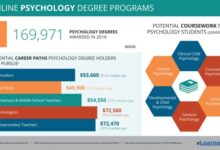

Introduction to Online Degree Programs
The landscape of higher education is rapidly evolving, with online degree programs gaining immense popularity. This shift is driven by various factors, including the increasing demand for flexible and accessible learning opportunities, advancements in technology, and the growing recognition of online degrees as credible alternatives to traditional campus-based education.
Types of Online Degree Programs
Online degree programs are offered across a wide spectrum of academic disciplines, catering to diverse career aspirations and educational goals.
- Associate’s Degrees:These two-year programs provide foundational knowledge in a specific field, preparing students for entry-level positions or further education.
- Bachelor’s Degrees:Four-year programs offer a comprehensive understanding of a chosen major, equipping graduates with the skills and knowledge necessary for professional success.
- Master’s Degrees:These advanced programs provide specialized knowledge and skills in a particular field, enabling graduates to pursue leadership roles, research opportunities, or further their expertise.
- Doctoral Degrees:The highest level of academic achievement, doctoral programs require rigorous research and independent scholarship, culminating in a dissertation that contributes original knowledge to a specific field.
Benefits of Online Degree Programs
Pursuing an online degree offers numerous advantages, making it an attractive option for many learners.
- Flexibility and Convenience:Online programs provide students with the freedom to learn at their own pace and on their own schedule, accommodating work, family, and other commitments.
- Accessibility:Online programs eliminate geographical barriers, allowing individuals from diverse locations and backgrounds to access higher education.
- Affordability:Online programs often have lower tuition fees compared to traditional campus-based programs, making higher education more accessible to a wider range of individuals.
- Career Advancement:Online degrees can enhance career prospects, leading to promotions, salary increases, and new opportunities.
- Personal Growth:Online learning fosters self-discipline, time management skills, and independent learning abilities, contributing to personal and professional development.
Types of Online Degree Programs
Online degree programs offer a flexible and accessible pathway to higher education. These programs cater to a wide range of learners, from working professionals to stay-at-home parents, offering a diverse array of specializations and degree levels.
Types of Online Degree Programs
Online degree programs are offered across various academic disciplines and degree levels. Here’s a breakdown of the most common types:
| Degree Level | Program Type | Specializations | Popular Institutions |
|---|---|---|---|
| Associate’s Degree | Associate of Arts (AA) | Business Administration, Liberal Arts, Early Childhood Education | Arizona State University, University of Phoenix, Southern New Hampshire University |
| Bachelor’s Degree | Bachelor of Arts (BA) | English, History, Psychology, Sociology | University of Florida, Purdue University, Oregon State University |
| Bachelor’s Degree | Bachelor of Science (BS) | Computer Science, Nursing, Engineering, Biology | Georgia Tech, University of Illinois Urbana-Champaign, Stanford University |
| Master’s Degree | Master of Arts (MA) | Education, Public Administration, Social Work, Journalism | Harvard University, University of California, Berkeley, Columbia University |
| Master’s Degree | Master of Science (MS) | Data Science, Cybersecurity, Business Analytics, Health Informatics | Carnegie Mellon University, Massachusetts Institute of Technology (MIT), University of Michigan |
| Doctoral Degree | Doctor of Philosophy (PhD) | Research-focused fields like History, Literature, Science, Engineering | University of Oxford, University of Cambridge, Stanford University |
| Doctoral Degree | Doctor of Education (EdD) | Educational Leadership, Curriculum and Instruction, Special Education | University of California, Los Angeles (UCLA), Harvard University, Columbia University |
Popular Online Degree Programs
Here’s a list of some of the most popular online degree programs:
| Program | Degree Level | Specializations |
|---|---|---|
| Business Administration | Associate’s, Bachelor’s, Master’s | Finance, Marketing, Management, Human Resources |
| Nursing | Associate’s, Bachelor’s, Master’s | Registered Nursing (RN), Advanced Practice Registered Nurse (APRN) |
| Computer Science | Bachelor’s, Master’s | Software Engineering, Data Science, Cybersecurity |
| Education | Bachelor’s, Master’s, Doctoral | Early Childhood Education, Special Education, Curriculum and Instruction |
| Healthcare Administration | Bachelor’s, Master’s | Hospital Administration, Health Policy, Public Health |
Institutions Offering a Wide Range of Online Degree Programs
Several institutions offer a wide array of online degree programs across various disciplines and degree levels. Some of the notable institutions include:
- Arizona State University
- University of Phoenix
- Southern New Hampshire University
- University of Florida
- Purdue University
- Oregon State University
- Georgia Tech
- University of Illinois Urbana-Champaign
- Stanford University
- Harvard University
- University of California, Berkeley
- Columbia University
- Carnegie Mellon University
- Massachusetts Institute of Technology (MIT)
- University of Michigan
- University of Oxford
- University of Cambridge
- University of California, Los Angeles (UCLA)
Admission Requirements and Enrollment Process
Embarking on an online degree program requires navigating specific admission requirements and an enrollment process that differs from traditional on-campus programs. Understanding these procedures ensures a smooth transition into your chosen online learning journey.
Common Admission Requirements
Admission requirements for online degree programs are often similar to those for traditional programs, emphasizing academic preparedness and potential for success in the chosen field.
- High School Diploma or Equivalent:Most online programs require a high school diploma or a GED certificate as a foundation for higher education.
- Transcript:Submitting transcripts from previously attended colleges or universities demonstrates academic performance and transferability of credits.
- Standardized Test Scores:Some programs may require standardized test scores like the SAT or ACT for undergraduate admissions or the GRE or GMAT for graduate programs. However, many online programs are becoming test-optional, focusing more on academic records and other qualifications.
- Letters of Recommendation:Letters of recommendation from academic advisors, professors, or employers provide insights into your character, work ethic, and potential for success in the program.
- Statement of Purpose or Essay:A statement of purpose or essay allows you to articulate your academic and career goals, motivations for pursuing the program, and how it aligns with your aspirations.
- Resume or Curriculum Vitae:Submitting a resume or CV, especially for graduate programs, demonstrates your work experience, skills, and relevant achievements.
- Portfolio:For programs in creative fields like art, design, or writing, a portfolio showcasing your work is often a critical component of the application process.
Enrollment Process
The enrollment process for online degree programs generally involves the following steps:
- Research and Program Selection:Begin by researching different online programs, considering factors like accreditation, program reputation, curriculum, faculty expertise, and flexibility.
- Application Submission:Once you’ve chosen a program, complete the online application, which typically involves providing personal information, academic history, and supporting documents like transcripts and letters of recommendation.
- Admission Decision:The institution will review your application and notify you of their decision. This process may vary in time depending on the program and institution.
- Financial Aid and Payment:If applicable, explore financial aid options like scholarships, grants, and loans. Once accepted, you’ll need to finalize payment arrangements for tuition and fees.
- Orientation and Course Registration:After admission, you’ll participate in an orientation program, which introduces you to the online learning platform, resources, and support services. You’ll then register for your initial courses.
- Start of Studies:Once you’ve completed the enrollment process, you can begin your online degree program.
Application Procedures for Different Online Degree Programs
Application procedures can vary depending on the type of online degree program you are pursuing.
- Undergraduate Programs:Undergraduate online programs typically require a high school diploma or equivalent, transcripts, and potentially standardized test scores. The application process is generally streamlined and straightforward.
- Graduate Programs:Graduate online programs usually have more stringent admission requirements, including a bachelor’s degree, relevant work experience, letters of recommendation, and a statement of purpose. They may also require standardized test scores like the GRE or GMAT. The application process can be more involved, requiring detailed information and documentation.
- Professional Certificates:Professional certificates often have less stringent admission requirements, focusing more on relevant work experience and professional skills. The application process may be simpler and quicker than for degree programs.
Curriculum and Learning Environment
Online degree programs are structured to provide a flexible and engaging learning experience. They often follow a similar curriculum format to traditional programs, but with a focus on technology-mediated learning and interaction.
The curriculum in online degree programs is designed to be delivered asynchronously, allowing students to access course materials and complete assignments at their own pace and schedule. This flexibility is a major advantage of online learning, enabling students to balance their studies with work, family, and other commitments.
Online Learning Platforms and Technologies
Online learning platforms and technologies play a crucial role in facilitating effective learning in online degree programs. These platforms provide a centralized hub for accessing course materials, interacting with instructors and peers, and submitting assignments.
Popular examples of online learning platforms include:
- Canvas:A comprehensive learning management system (LMS) that offers features such as course management, communication tools, assessment tools, and student engagement features.
- Blackboard:Another widely used LMS that provides a range of functionalities for online learning, including course content delivery, discussion forums, and gradebook management.
- Moodle:A free and open-source LMS that is popular among educational institutions and organizations for its flexibility and customization options.
Online degree programs often utilize a variety of technologies to enhance the learning experience. These technologies include:
- Video conferencing:Platforms like Zoom, Microsoft Teams, and Google Meet enable real-time interactions between students and instructors, facilitating live lectures, group discussions, and virtual office hours.
- Interactive simulations and games:Engaging students through interactive simulations and games can enhance learning by providing hands-on experiences and making complex concepts more accessible.
- Virtual reality (VR) and augmented reality (AR):VR and AR technologies can create immersive learning environments that allow students to experience real-world scenarios and interact with virtual objects.
Comparison of Online and Traditional Learning Experiences
While online and traditional programs share common goals, there are significant differences in the learning experience. The following table highlights key distinctions:
| Feature | Online Program | Traditional Program |
|---|---|---|
| Location | Flexible, can be accessed from anywhere with an internet connection | Requires physical presence on campus |
| Schedule | Asynchronous learning, allowing students to study at their own pace and schedule | Structured class schedules with set meeting times |
| Interaction | Primarily online interactions through discussion forums, video conferencing, and email | Face-to-face interactions with instructors and peers in classrooms and campus events |
| Technology | Relies heavily on online learning platforms, video conferencing, and other technologies | Traditional teaching methods with limited use of technology |
Faculty and Support Services
Online degree programs rely on a dedicated faculty and robust support services to provide students with a high-quality educational experience. This section explores the qualifications and expertise of online faculty and the comprehensive support services available to online students.
Obtain direct knowledge about the efficiency of Accredited Online College Course through case studies.
Faculty Qualifications and Expertise
Online faculty members are highly qualified professionals with extensive experience in their respective fields. They possess a deep understanding of their subject matter and are skilled in delivering engaging and effective online instruction.
- Academic Credentials:Online faculty typically hold advanced degrees, such as a doctorate or master’s degree, in their respective fields. These credentials demonstrate their academic rigor and expertise.
- Industry Experience:Many online faculty members also have significant professional experience in their fields, bringing real-world knowledge and insights to the classroom.
- Teaching Expertise:Online faculty are trained in online pedagogy and instructional design, ensuring they are equipped to deliver effective instruction in an online environment.
Support Services for Online Students
Online degree programs provide a wide range of support services to help students succeed. These services are designed to address the unique needs of online learners, offering assistance with academic, technical, and personal matters.
- Technical Support:Online students have access to technical support staff who can assist with any technical issues related to the learning management system, course materials, or online tools.
- Academic Advising:Academic advisors provide guidance on course selection, program requirements, and career planning. They help students navigate the academic process and stay on track to achieve their goals.
- Library Resources:Online students have access to the same library resources as traditional students, including online databases, e-books, and research assistance.
- Writing Centers:Writing centers provide support with writing assignments, including grammar, style, and research skills.
- Career Services:Career services offices offer assistance with resume writing, job searching, and career exploration.
- Student Success Centers:Some institutions offer student success centers that provide a range of support services, including tutoring, time management strategies, and stress management techniques.
Online Student Communities and Forums
Online degree programs often foster a sense of community through online forums and discussion groups. These platforms provide opportunities for students to connect with their peers, faculty, and staff, engaging in meaningful discussions and sharing experiences.
- Discussion Boards:Online forums allow students to ask questions, share insights, and collaborate with classmates on course-related topics.
- Social Media Groups:Some programs have dedicated social media groups where students can connect and interact outside of the classroom.
- Virtual Office Hours:Many faculty members hold virtual office hours, providing opportunities for students to meet with their instructors one-on-one to ask questions or discuss course material.
Cost and Financial Aid
The cost of an online degree program can vary significantly depending on factors such as the institution, program length, and the type of degree pursued. It’s important to understand the various costs involved and explore financial aid options available to help manage expenses.
Tuition and Fees
Tuition and fees constitute the primary cost associated with online degree programs. The cost of tuition can vary widely between institutions, with some public universities offering lower tuition rates than private institutions. Factors influencing tuition include the reputation of the institution, the program’s specialization, and the number of credit hours required for completion.
Additionally, online programs may have specific fees associated with online learning materials, technology access, and course-specific software.
Cost Comparison with Traditional Programs
Online degree programs can be comparable in cost to traditional on-campus programs, with some differences. While online programs may have lower costs associated with commuting and on-campus living expenses, they may have higher fees for technology access and online learning materials.
However, the availability of scholarships and financial aid opportunities for online students can significantly reduce the overall cost of education.
Financial Aid Options
Several financial aid options are available to help students finance their online degree programs.
Federal Financial Aid
Federal financial aid programs, such as the Federal Pell Grant, Federal Supplemental Educational Opportunity Grant (FSEOG), and Federal Direct Loans, are available to eligible online students. These programs are based on financial need and can provide grants, work-study opportunities, and low-interest loans.
State and Institutional Aid
Many states offer scholarships and grants specifically for online students, while individual institutions may also provide scholarships, grants, and tuition waivers based on academic merit, financial need, or specific program requirements.
Private Loans
Private loans can supplement federal and state aid options, but it’s crucial to compare interest rates and repayment terms carefully before taking out private loans. It’s advisable to explore all federal and state aid options before considering private loans.
Other Options
Additional options for financing online education include employer tuition reimbursement programs, veterans’ benefits, and scholarships from professional organizations or foundations.
Tips for Success in Online Degree Programs
Earning an online degree requires dedication, organization, and effective study habits. While online learning offers flexibility, it also demands proactive engagement and a structured approach to succeed. Here are some essential tips to navigate the challenges and maximize your learning experience in an online degree program.
Managing Time and Workload Effectively
Effective time management is crucial for balancing academic responsibilities with personal and professional commitments. Here are some strategies to optimize your time and manage the workload:
- Create a Schedule:Allocate specific time slots for coursework, study sessions, and other activities. A structured schedule helps prioritize tasks and ensures dedicated time for learning.
- Break Down Tasks:Large assignments can seem overwhelming. Divide them into smaller, manageable tasks with deadlines. This approach makes the workload feel less daunting and promotes a sense of progress.
- Use a Calendar:Utilize online calendars or apps to track deadlines, assignments, and important events. Visual reminders help stay organized and prevent missed deadlines.
- Minimize Distractions:Create a dedicated study space free from distractions. Turn off notifications, close unnecessary tabs, and inform others about your study time.
Developing Effective Study Habits for Online Learning
Online learning demands self-discipline and strategic study habits to maximize knowledge acquisition. Consider these tips:
- Active Learning:Engage actively with the material. Take notes, participate in discussions, and complete assignments diligently. This approach promotes deeper understanding and retention.
- Regular Review:Schedule regular review sessions to reinforce learned concepts. Reviewing material shortly after learning it helps solidify understanding and improve long-term retention.
- Utilize Resources:Take advantage of available resources, such as online libraries, tutoring services, and study guides. These resources can supplement learning and provide additional support.
- Seek Clarification:Don’t hesitate to reach out to instructors or classmates if you have questions or need clarification. Timely clarification prevents confusion and promotes effective learning.
Building Strong Connections with Online Instructors and Peers
Connecting with instructors and peers is essential for a positive learning experience. Here’s how to foster these relationships:
- Engage in Discussions:Participate actively in online forums and discussions. Share your insights, ask questions, and engage with your peers’ perspectives. This fosters a sense of community and encourages learning from diverse viewpoints.
- Utilize Office Hours:Take advantage of instructors’ office hours, even if it’s through online platforms. Seek clarification, discuss course material, and build a rapport with your instructor.
- Join Study Groups:Connect with classmates through study groups. Collaborating on assignments, discussing concepts, and supporting each other can enhance learning and provide valuable peer support.
Future of Online Degree Programs

The landscape of higher education is rapidly evolving, with online degree programs playing an increasingly prominent role. As technology advances and societal needs shift, the future of online learning holds exciting possibilities, presenting both opportunities and challenges for institutions and learners alike.
Advancements in Online Learning Technologies
Technological advancements are transforming the online learning experience, creating more engaging, personalized, and accessible educational opportunities.
- Artificial Intelligence (AI) and Machine Learning (ML):AI and ML are revolutionizing online education by providing personalized learning paths, adaptive assessments, and intelligent tutoring systems. These technologies can analyze student data, identify learning gaps, and recommend tailored learning materials, creating a more individualized learning experience.
- Virtual Reality (VR) and Augmented Reality (AR):VR and AR technologies are immersing students in interactive learning environments, making abstract concepts more tangible and engaging. For example, students studying architecture can use VR to explore 3D models of buildings, while those studying biology can use AR to dissect virtual specimens.
- Gamification:Incorporating game mechanics into online learning platforms can enhance student motivation, engagement, and retention. This can include features like points, badges, leaderboards, and challenges, encouraging students to actively participate and progress through the course material.
- Adaptive Learning Platforms:Adaptive learning platforms personalize the learning experience by adjusting the difficulty and pace of instruction based on student performance. These platforms provide immediate feedback and remediation, helping students stay on track and master the course material.
Impact of Emerging Trends on Online Education
Emerging trends are reshaping the landscape of online education, influencing the delivery, accessibility, and affordability of online degree programs.
- Micro-credentials and Stackable Credentials:As the job market demands more specialized skills, micro-credentials and stackable credentials are gaining popularity. These smaller, focused credentials allow students to acquire specific skills and knowledge relevant to their career goals, potentially leading to faster job advancement.
- Open Educational Resources (OER):The growing availability of OER, such as free textbooks and course materials, is making education more affordable and accessible. This trend empowers students to choose from a wider range of learning resources and potentially reduce the cost of their education.
- Lifelong Learning:With the rapid pace of technological advancements, lifelong learning is becoming increasingly crucial. Online degree programs provide flexible and accessible options for individuals to continuously upskill and stay competitive in the workforce.
Challenges and Opportunities for Online Degree Programs
The future of online degree programs presents both challenges and opportunities for institutions and learners.
- Ensuring Quality and Rigor:As online education expands, it is crucial to maintain the quality and rigor of online degree programs. Institutions must ensure that online courses are comparable in content and rigor to traditional on-campus courses.
- Bridging the Digital Divide:Access to technology and reliable internet connectivity is essential for online learning. Institutions must address the digital divide and provide resources and support to ensure equitable access to online education.
- Promoting Student Engagement and Support:Engaging students in an online environment requires innovative teaching methods and robust support services. Institutions must invest in technologies and strategies that foster student engagement and provide effective support services.
- Addressing the Changing Needs of the Workforce:Online degree programs must adapt to the evolving needs of the workforce by offering relevant and in-demand programs that equip students with the skills and knowledge necessary for success in the modern job market.
Summary
The future of education is undoubtedly intertwined with the evolution of online degree programs. As technology continues to advance, we can expect even more innovative and accessible learning experiences. The flexibility, affordability, and diverse program options offered by online programs empower individuals to pursue their dreams, regardless of their circumstances.
Embracing the world of online education can unlock a world of possibilities, paving the way for a brighter and more fulfilling future.