Have you ever been captivated by crime dramas, intrigued by the meticulous process of evidence analysis, and wondered how forensic science plays a crucial role in solving complex cases? Our “Unlocking the Secrets: A Comprehensive Forensics Online Course” provides a fascinating journey into the world of forensic science, offering a detailed exploration of its diverse branches, cutting-edge techniques, and ethical considerations.
From understanding the fundamentals of forensic science and its application in investigations to delving into the intricacies of digital forensics and cybercrime investigations, this course equips you with a comprehensive understanding of this dynamic field. You’ll explore real-world case studies, learn about the latest advancements in forensic science, and gain valuable insights into the ethical considerations that shape this profession.




Ethical Considerations in Forensic Science
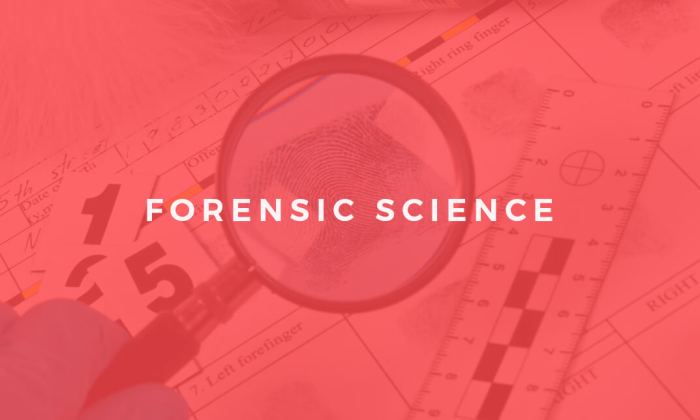
Forensic science, a crucial element in the pursuit of justice, carries significant ethical responsibilities. While dedicated to uncovering the truth, forensic scientists operate in a complex landscape where objectivity, integrity, and ethical considerations are paramount.
Ethical Challenges Faced by Forensic Scientists
The pursuit of justice demands unwavering adherence to ethical principles. Forensic scientists face numerous challenges in maintaining ethical conduct, ensuring their work remains unbiased and reliable.
- Pressure to Produce Results:The pressure to deliver results, especially in high-profile cases, can compromise objectivity. Scientists might feel pressured to prioritize obtaining a desired outcome, potentially leading to biased analysis or interpretation of evidence.
- Conflicting Loyalties:Forensic scientists often work within the legal system, which can create conflicts of interest. Their loyalty to the truth might clash with their obligations to the prosecution or defense, leading to ethical dilemmas.
- Limited Resources and Time Constraints:Insufficient resources and tight deadlines can compromise the quality of forensic analysis. Scientists might be forced to rush through procedures or accept less rigorous standards, potentially compromising the reliability of their findings.
Importance of Maintaining Objectivity and Integrity
The integrity of forensic science hinges on maintaining objectivity and integrity. This principle underscores the paramount importance of conducting investigations free from bias, ensuring that evidence is analyzed and interpreted without prejudice.
- Objectivity in Evidence Analysis:Forensic scientists must approach evidence analysis with an unbiased perspective, ensuring that personal beliefs or external pressures do not influence their interpretations. Every piece of evidence should be scrutinized meticulously, without preconceived notions about its significance.
- Accurate Reporting:Forensic scientists must provide accurate and complete reports of their findings. They must be transparent about any limitations or uncertainties in their analysis, ensuring that the court or other stakeholders have a comprehensive understanding of the evidence.
- Integrity in Testimony:Forensic scientists must provide honest and truthful testimony in court, adhering to their professional code of ethics. They must present their findings accurately, avoiding any exaggeration or embellishment.
Examples of Ethical Dilemmas
Forensic science encounters ethical dilemmas that challenge the principles of objectivity and integrity.
- Confirmation Bias:This occurs when scientists unconsciously seek evidence that confirms their initial hypotheses, ignoring or downplaying contradictory evidence. For example, a forensic scientist might focus on evidence that supports the prosecution’s theory while overlooking evidence that might exonerate the defendant.
- Overstating Expertise:Some forensic scientists might overstate their expertise or the reliability of their methods, potentially misleading the court or other stakeholders. For example, a scientist might claim to be able to identify a specific individual from a DNA sample when the methodology used has limitations.
- Pressure to Testify:Forensic scientists might face pressure from law enforcement or prosecutors to testify in a way that favors their case. This can create a conflict between their ethical obligation to present accurate evidence and the pressure to support a particular outcome.
Role of Professional Organizations
Professional organizations play a crucial role in upholding ethical standards in forensic science.
- Code of Ethics:Professional organizations establish codes of ethics that guide the conduct of forensic scientists. These codes Artikel principles of integrity, objectivity, and professionalism, providing a framework for ethical decision-making.
- Continuing Education:Professional organizations provide continuing education opportunities to ensure that forensic scientists stay abreast of ethical guidelines and emerging issues in the field. This helps them navigate complex ethical dilemmas and maintain the highest standards of professional conduct.
- Discipline and Accountability:Professional organizations have mechanisms for investigating and disciplining members who violate ethical standards. This accountability system helps to deter unethical behavior and maintain the integrity of the profession.
Outcome Summary
As you embark on this journey of discovery, you’ll not only gain a profound appreciation for the scientific principles behind forensic science but also develop a critical understanding of its impact on the legal system and society as a whole.
This course offers a unique opportunity to delve into the world of forensics, unraveling the mysteries of evidence and gaining a deeper understanding of how science plays a vital role in solving crimes and ensuring justice.
Discover more by delving into Student loan refinancing further.